
Northern Boulevard
The concrete artery pulsing alongside Queensbridge, where the city's rhythm meets the block's reality.

GeneralPunger · CC BY-SA 4.0
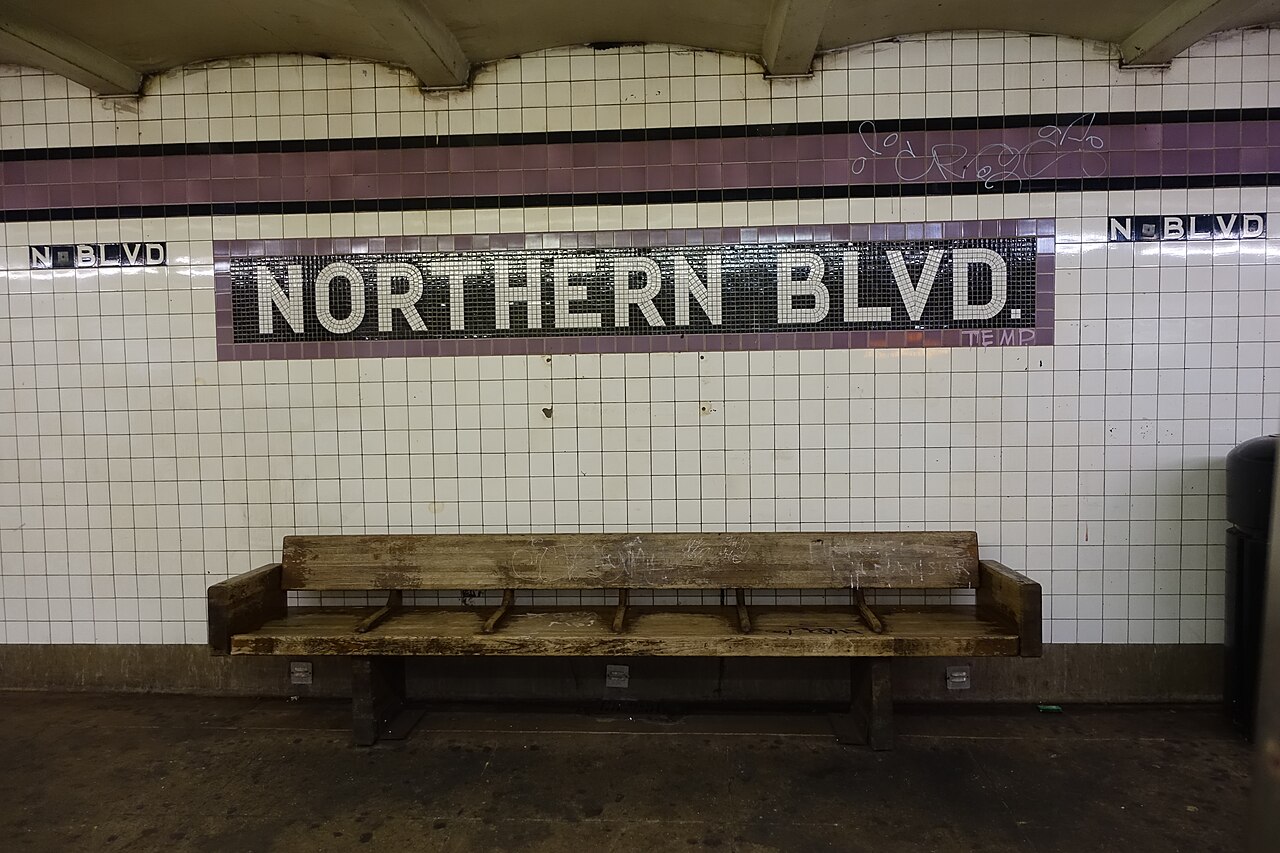
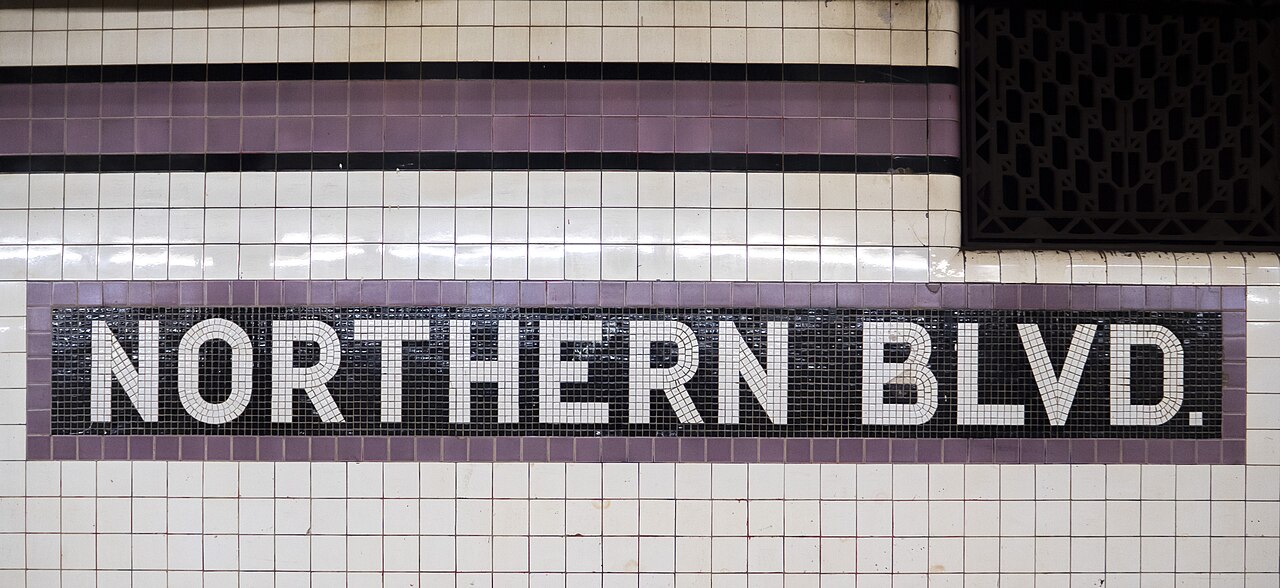
Northern Boulevard is a major thoroughfare in Queens, New York City, running parallel to the Queensbridge Houses. It serves as a physical boundary and symbolic threshold between the housing complex and the broader city. In the work of Nasir Jones, the boulevard is referenced as a key location, grounding his storytelling in a recognizable urban landscape. It represents the interface where the life of the projects meets the outside world, often cited as a route for entering or exiting the complex. The boulevard is depicted as a place of constant vigilance, where the movement of people and vehicles is observed with hyper-awareness.
- Location
- Queens, New York City
- Proximity
- Adjacent to Queensbridge Houses
- Significance
- Primary access route referenced in 'NY State of Mind'
- Atmosphere
- Gritty, bustling urban corridor
- Cultural Role
- Symbolic boundary between the projects and the city
Verified Timeline
Lore & Background
In the mythos of East Coast hip-hop, Northern Boulevard is immortalized as the stage upon which the daily drama of survival unfolds. It is the road where the 'feds' might patrol and where local hustlers navigate their territory with practiced caution. The boulevard acts as a witness to the transformation of the neighborhood over decades. Its presence in the lore extends beyond mere geography; it is a measure of distance and danger. To cross Northern Boulevard is to leave the familiar confines of the projects for the unpredictable streets of Queens, or conversely, to return home from the wider world. It embodies the duality of New York life: the struggle for resources against the backdrop of relentless urban energy.
In Their Own Story
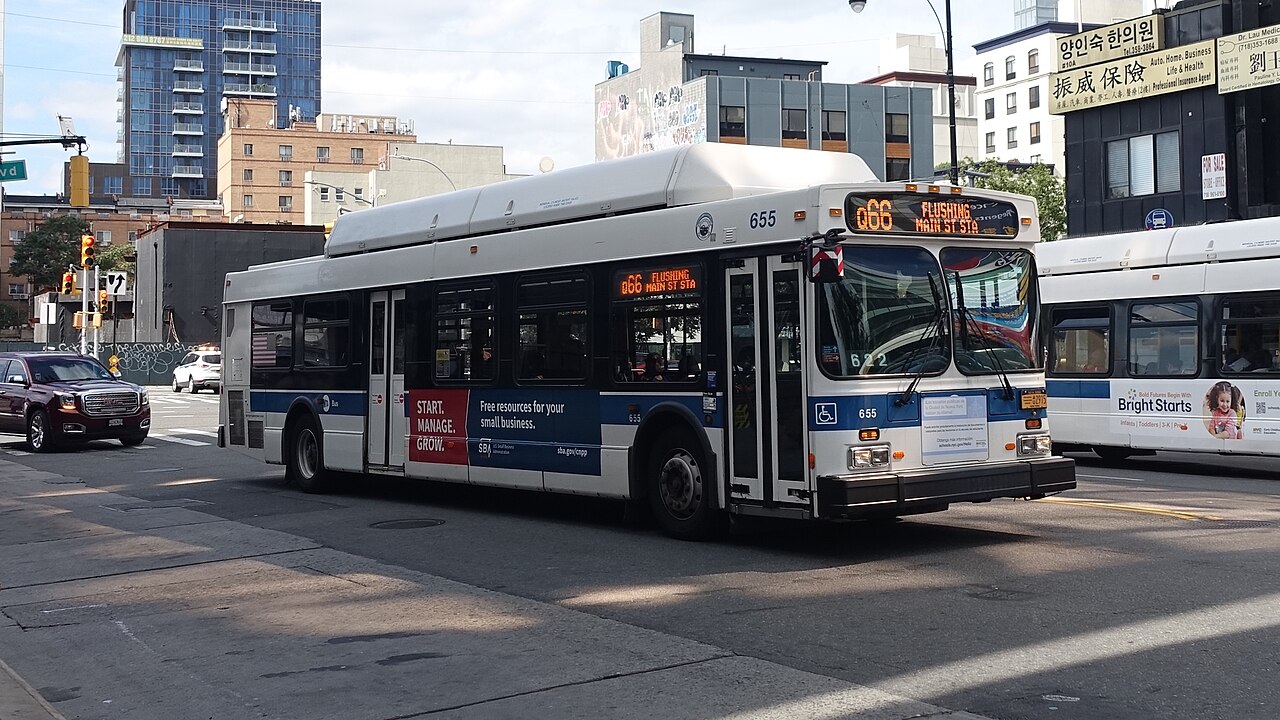
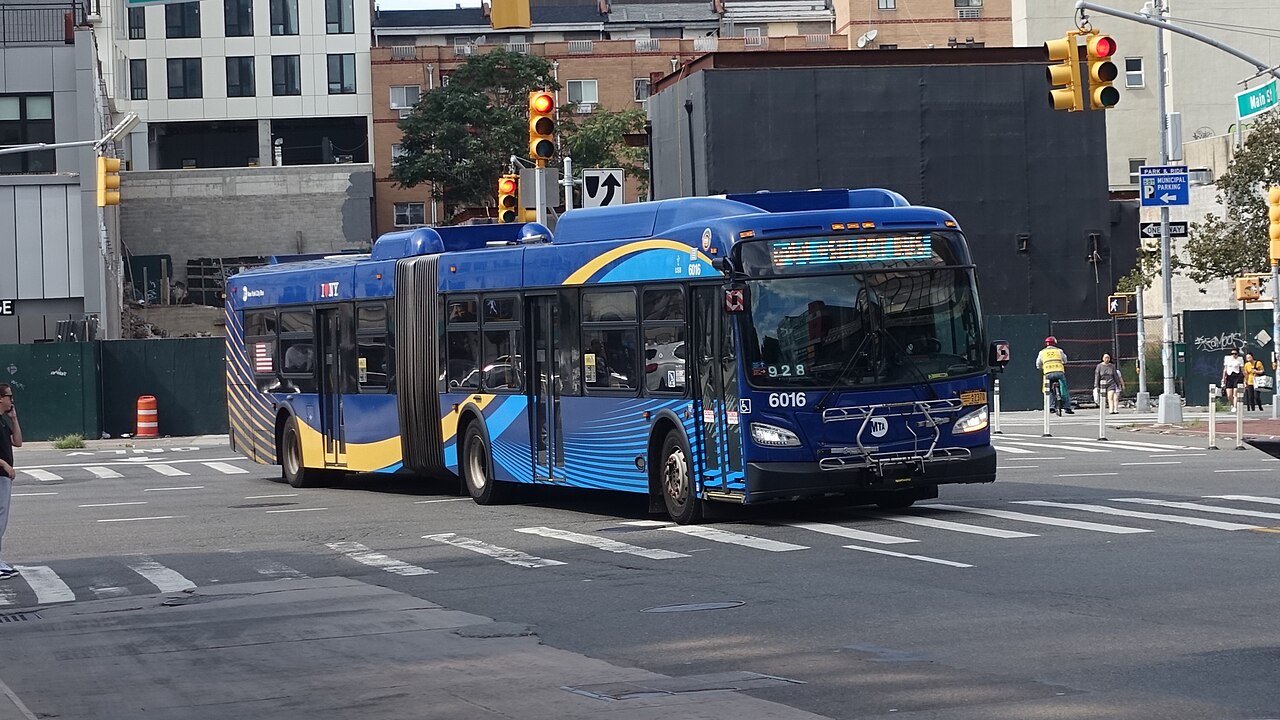
The siren wails in the distance, echoing off the brick facades as the late afternoon sun casts long shadows across Northern Boulevard. A bus rumbles past, kicking up dust that settles on the shoulders of a young man pacing near the corner store, his eyes scanning the horizon for any sign of trouble or opportunity. The air smells of exhaust and frying oil, a familiar perfume to anyone who knows this stretch of Queens. He adjusts his cap, feeling the weight of the day's decisions pressing down, knowing that just beyond the railing lies the complex where life moves at its own relentless pace. A beat-up sedan cruises slow past the bus stop, the driver's hand tapping the wheel to a track only he hears—another ghost in the machine of this concrete corridor.
Reader's Guide
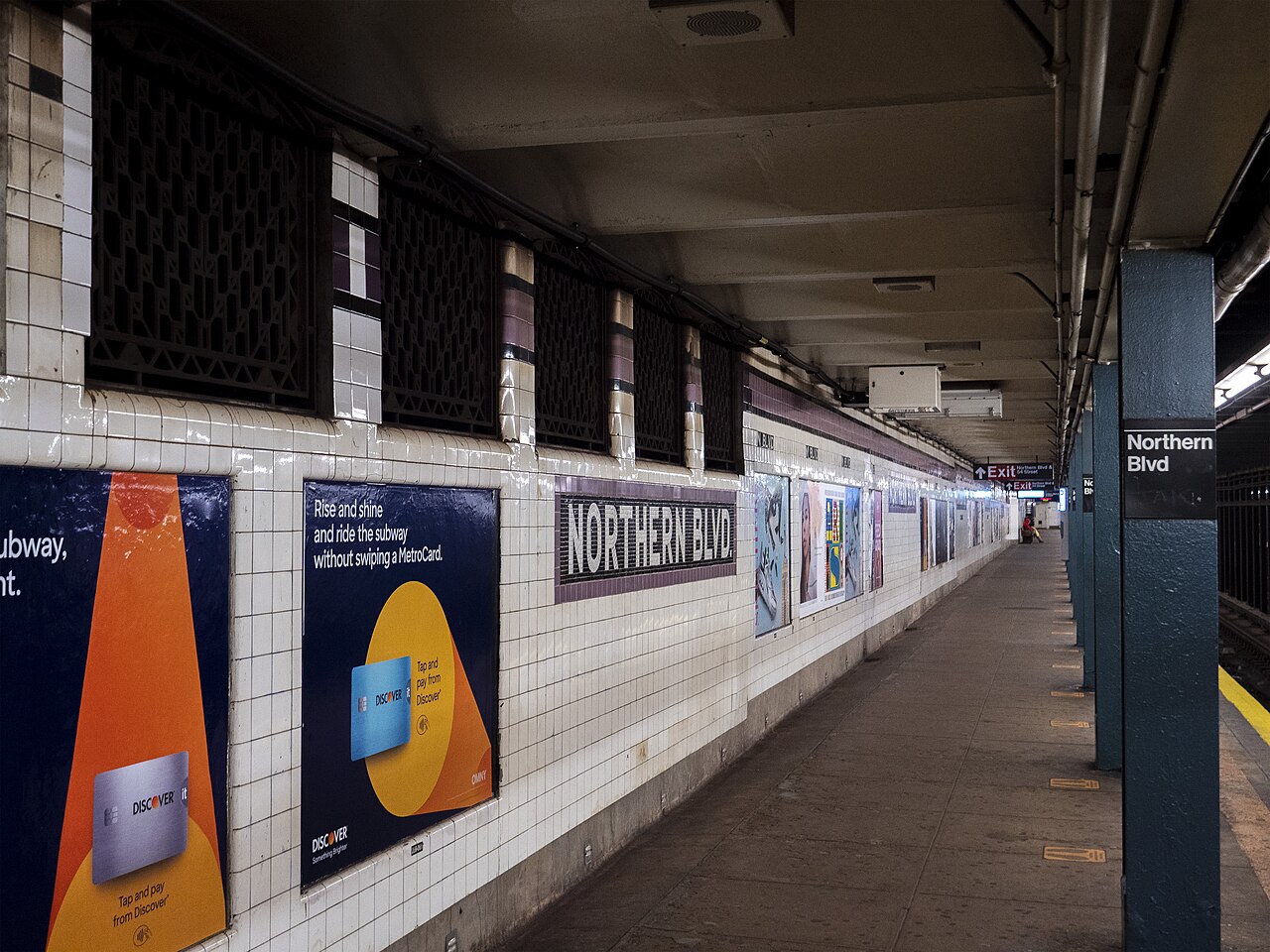
Geographically, Northern Boulevard runs east-west, forming a critical boundary line for the Queensbridge Houses. It is a wide, multi-lane thoroughfare characterized by heavy traffic, commercial storefronts, and the constant flow of pedestrians navigating between the subway stops and the residential blocks. Socially, the boulevard represents a zone of transition. It is where the insular culture of the projects interacts with the diverse population of Queens. Landmarks often associated with this area in lyrical contexts include the corner stores that serve as community hubs, the bus stops acting as gathering points, and the elevated train tracks that loom overhead, casting shadows over the street below. In songs like 'NY State of Mind,' the atmosphere is one of high tension and hyper-awareness. The boulevard is depicted as a place where one must be constantly vigilant, observing the movement of people and vehicles.
Did You Know?
- Northern Boulevard runs parallel to the Queensbridge Houses, forming a critical boundary line.
- The boulevard is referenced in Nas's song 'NY State of Mind' as a key location.
- It is a wide, multi-lane thoroughfare characterized by heavy traffic and commercial storefronts.
- The boulevard represents a zone of transition between the projects and the broader Queens population.
- In lyrical contexts, the boulevard is depicted as a place requiring constant vigilance and hyper-awareness.
Historical Roots and Evolution
Ventura Boulevard stands as a testament to deep historical continuity in Los Angeles, tracing its path along an ancient pre-Columbian trading trail used by the Tataviam and Tongva peoples for over four millennia. This enduring route later became part of El Camino Real and served as U.S. Route 101 before modern freeways were constructed. The area around Los Encinos State Historic Park, situated near Balboa Boulevard, was an early settlement hub due to natural springs, preserving the De La Osa Adobe from 1849. In the early 20th century, the corridor transformed rapidly; the Valley's first golf course opened in 1922, and Victor Girard planted hundreds of thousands of trees nearby, creating Woodland Hills. The entertainment industry soon took root when Mack Sennett established Keystone Studios just blocks away in 1928, a site that evolved into Republic Pictures and eventually the CBS Studio Center, which remains a prolific producer of television sitcoms today.
Commercial Landscape and Residential Prestige
Stretching approximately 18 miles from Woodland Hills to Hollywood via Sherman Oaks and Studio City, Ventura Boulevard has long been defined by its vibrant commercial density. Historically known as a concentrated hub for small businesses and shops, the boulevard now features a diverse mix of mini-malls, educational institutions, and varied establishments alongside residential zones. The street's character shifts dramatically depending on the side; while the north side hosts bustling commerce, the properties immediately south are renowned for being among the most expensive real estate in Los Angeles County. These exclusive homes, valued between two million and fifty million dollars, serve as residences for high-profile executives, athletes, and entertainers. This unique juxtaposition of everyday retail activity with ultra-luxury living creates a distinctive atmosphere where ordinary commerce meets elite celebrity culture along one of the San Fernando Valley's primary east-west thoroughfares.
Cultural Significance in Music
Ventura Boulevard has achieved legendary status within the music world, frequently serving as a lyrical backdrop for iconic songs that capture the spirit of Los Angeles. The Everly Brothers recorded a track specifically named after the street on their 1968 album, while Frank Zappa's famous 'Valley Girl' references the boulevard in its depiction of Encino lifestyle and shopping culture. Perhaps most notably, Tom Petty immortalized the road in his hit 'Free Fallin'', describing vampires walking west down the avenue; this line inspired a massive public memorial walk by fans following his death in 2017. The street also holds creative significance for Michael Jackson, who reportedly wrote 'Billie Jean' while driving along it, and was featured in Haim's music video for 'Want You Back'. Even guitarist John 5 dedicated a song to the address, cementing the boulevard's place as a muse for musicians across generations.
Presence in Film and Literature
The visual and literary landscape of Ventura Boulevard is rich with appearances in major media productions. In literature, Raymond Chandler vividly described the road in his 1949 novel 'The Little Sister', capturing its chaotic traffic, neon-lit hamburger joints, and proximity to screen stars' homes as a symbol of the valley's restless energy. On screen, the boulevard serves as a prominent location for films like 'The 40-Year-Old Virgin', 'Crash', and 'Transformers'. Television history also intersects here; it was the setting for the first live-action scene in 'The Simpsons' during the Treehouse of Horror VI episode. Additionally, the street features in 'Seinfeld', though a technicality reveals the pay phone used was actually on nearby Ventura Place. Even comedian Steve Allen once quipped that the valley named the boulevard after jazz saxophonist Charlie Ventura, highlighting its enduring presence in pop culture discourse.
Gallery
Frequently Asked Questions
What is Northern Boulevard in relation to Nas?
It is the major thoroughfare running directly alongside the Queensbridge Houses where Nasir Jones grew up. This street serves as a central landmark frequently referenced in his lyrics to ground his stories in specific geography.
Why does Nas mention Northern Boulevard in N.Y. State of Mind?
He cites it to establish authenticity and pinpoint the exact location of his upbringing within Queens. The line emphasizes how this busy road defines the boundary between his home block and the wider city chaos.
Is Northern Boulevard a person or character in Nas's music?
No, it is a real physical street that functions as a symbolic setting rather than a sentient being. In his narrative, it represents the constant flow of traffic, danger, and opportunity surrounding the projects.
How does Northern Boulevard impact life in the Queensbridge Projects?
It acts as the primary artery for residents to access jobs, schools, and public transportation outside the complex. Its presence marks the transition from the enclosed housing environment into the bustling streets of Long Island City and beyond.
What atmosphere does Northern Boulevard convey in Nas's storytelling?
It evokes a gritty, high-energy urban vibe filled with sirens, hustlers, and everyday commuters. This backdrop reinforces the tension between survival within the projects and navigating the outside world.
More in Queensbridge Projects & NYC Roots
Elsewhere in the Nas universe
Spotted an error? Know more?
This is a living reference — every entry is fact-audited, and reader corrections feed straight into our audit queue. Suggest an edit · See this site's audit record