
Queensboro Bridge
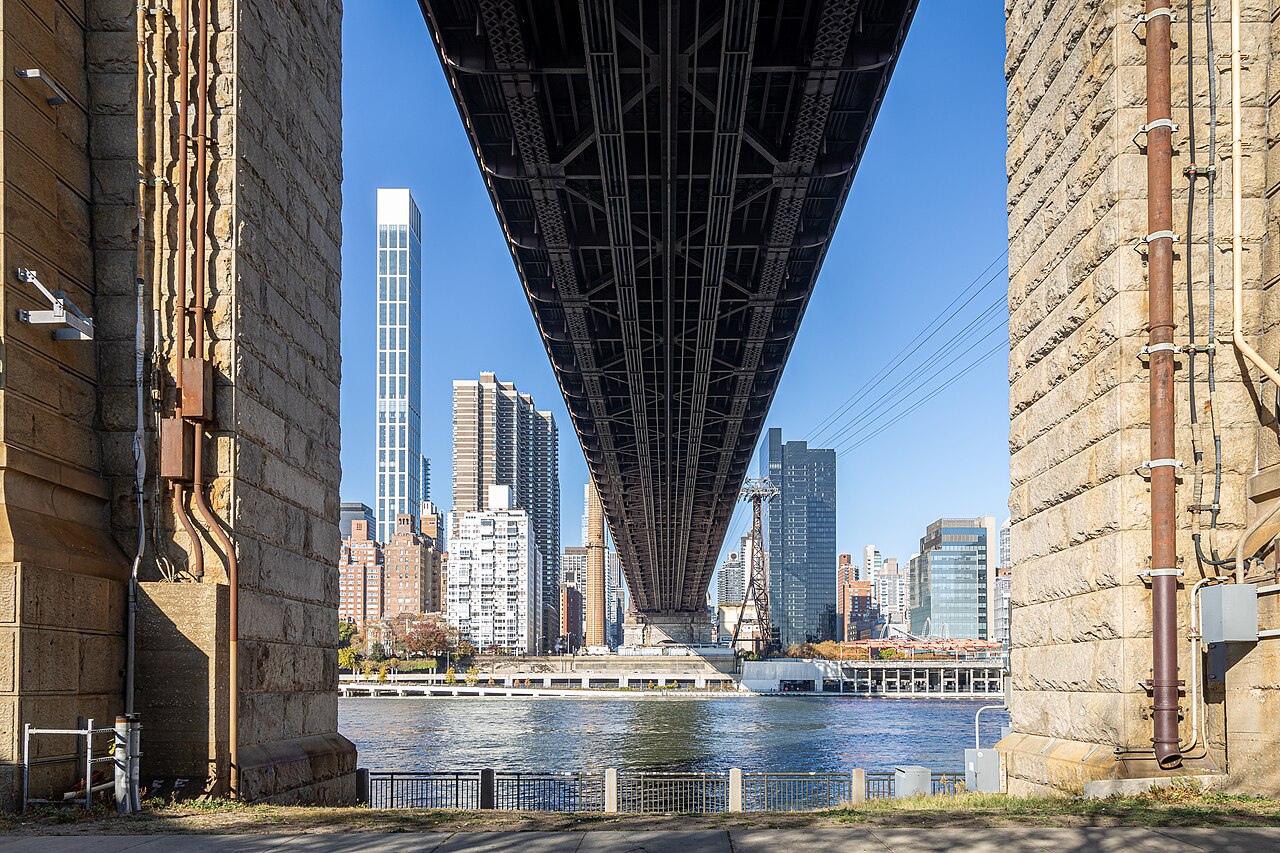
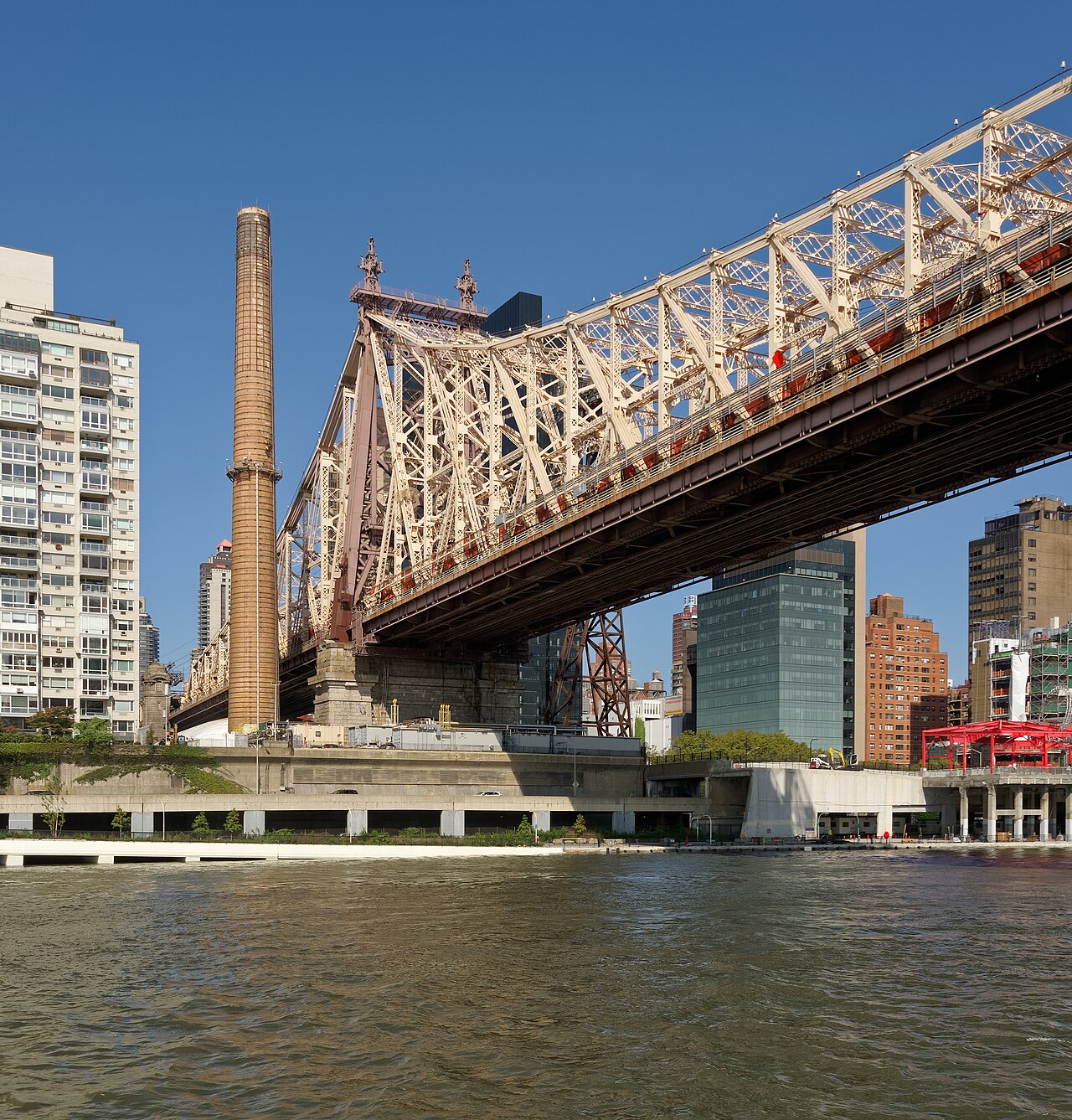
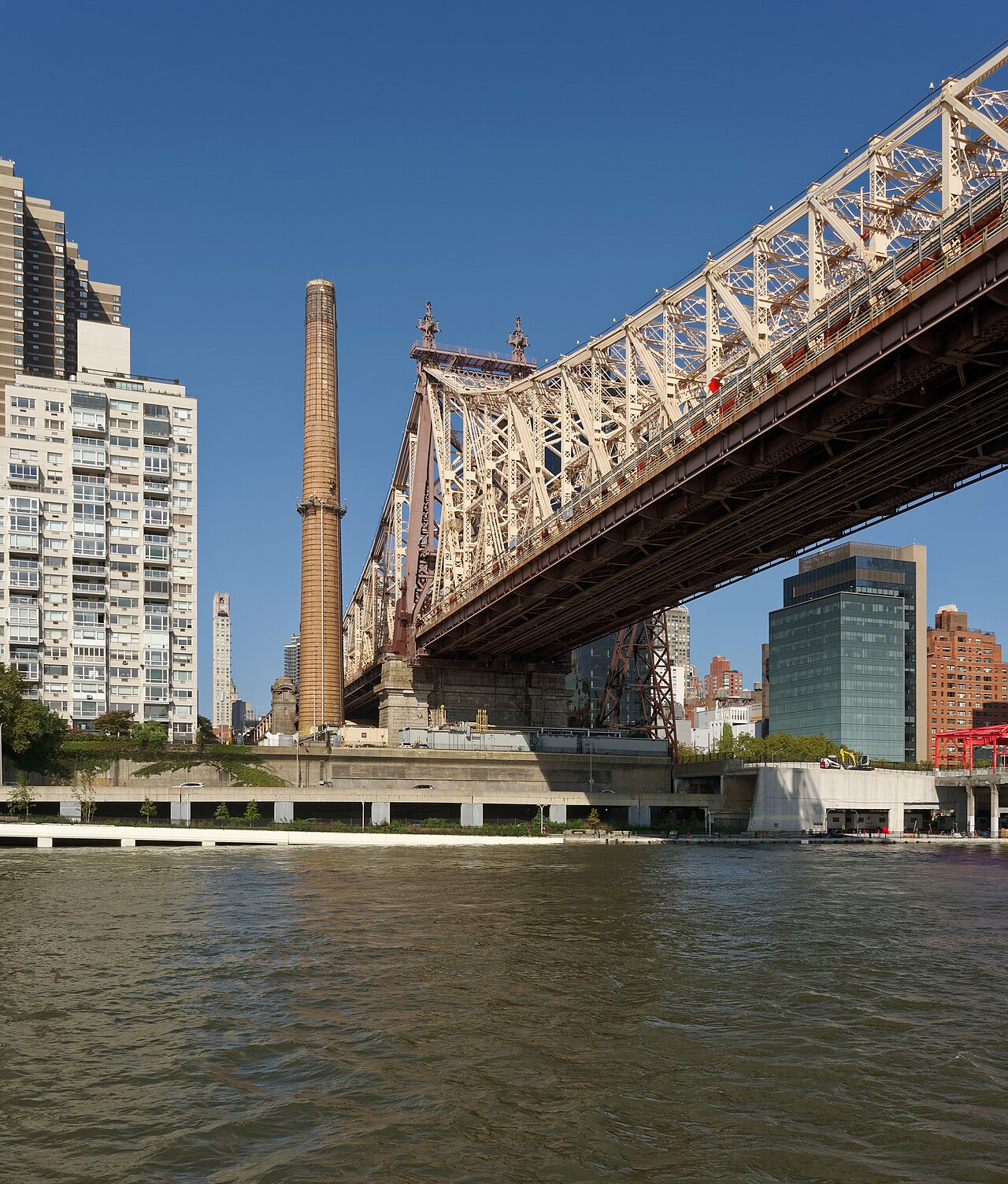
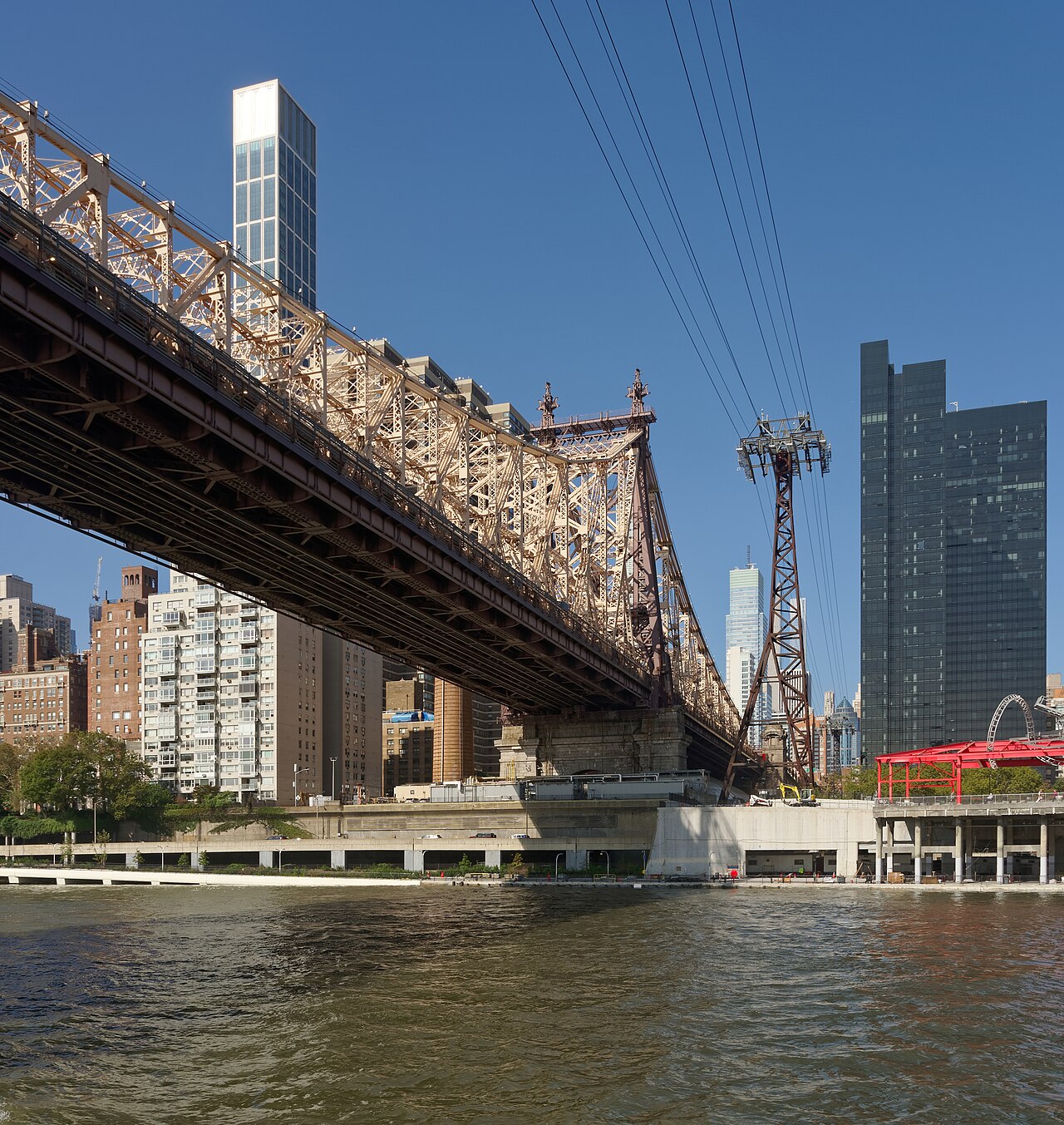
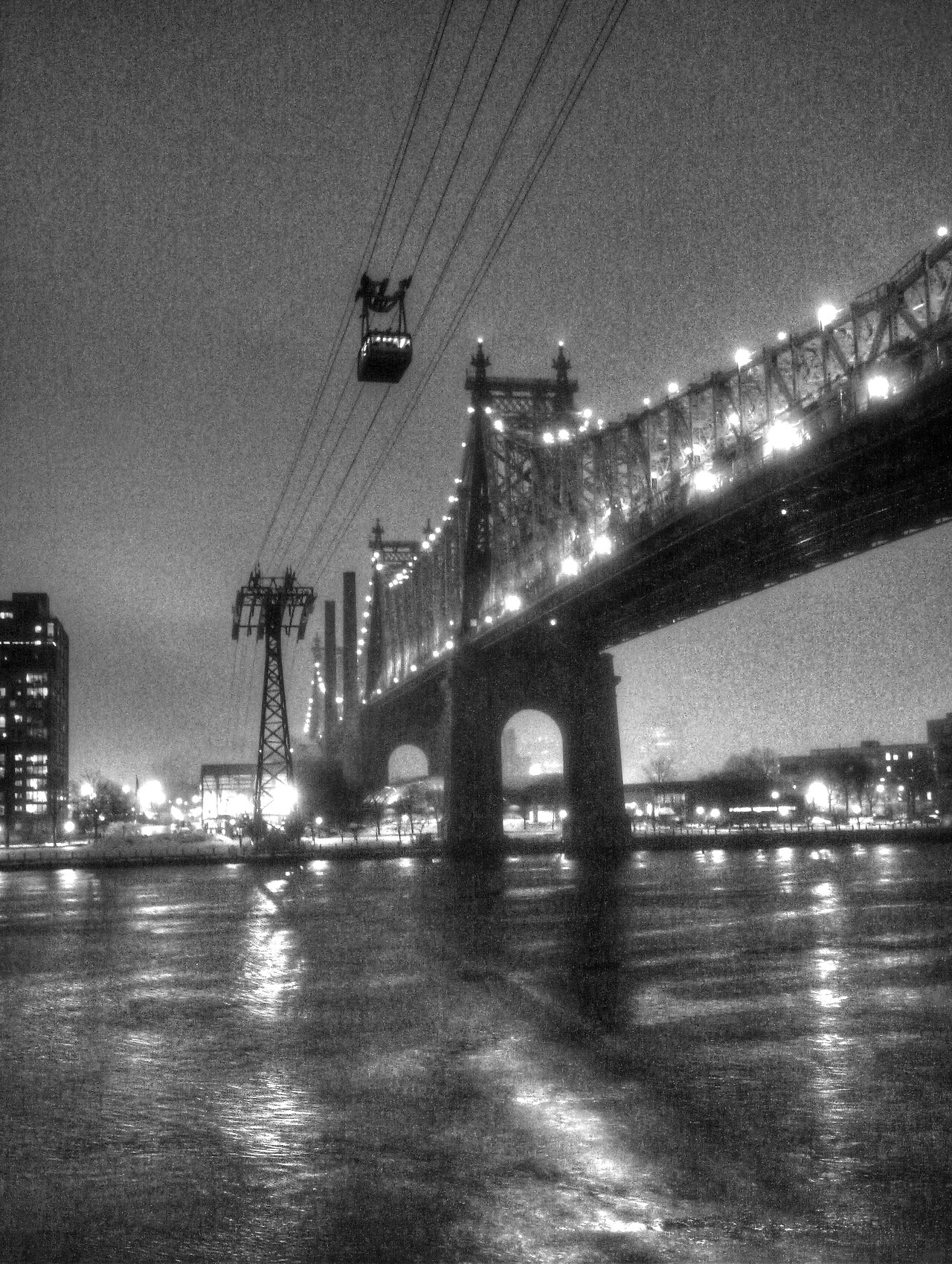
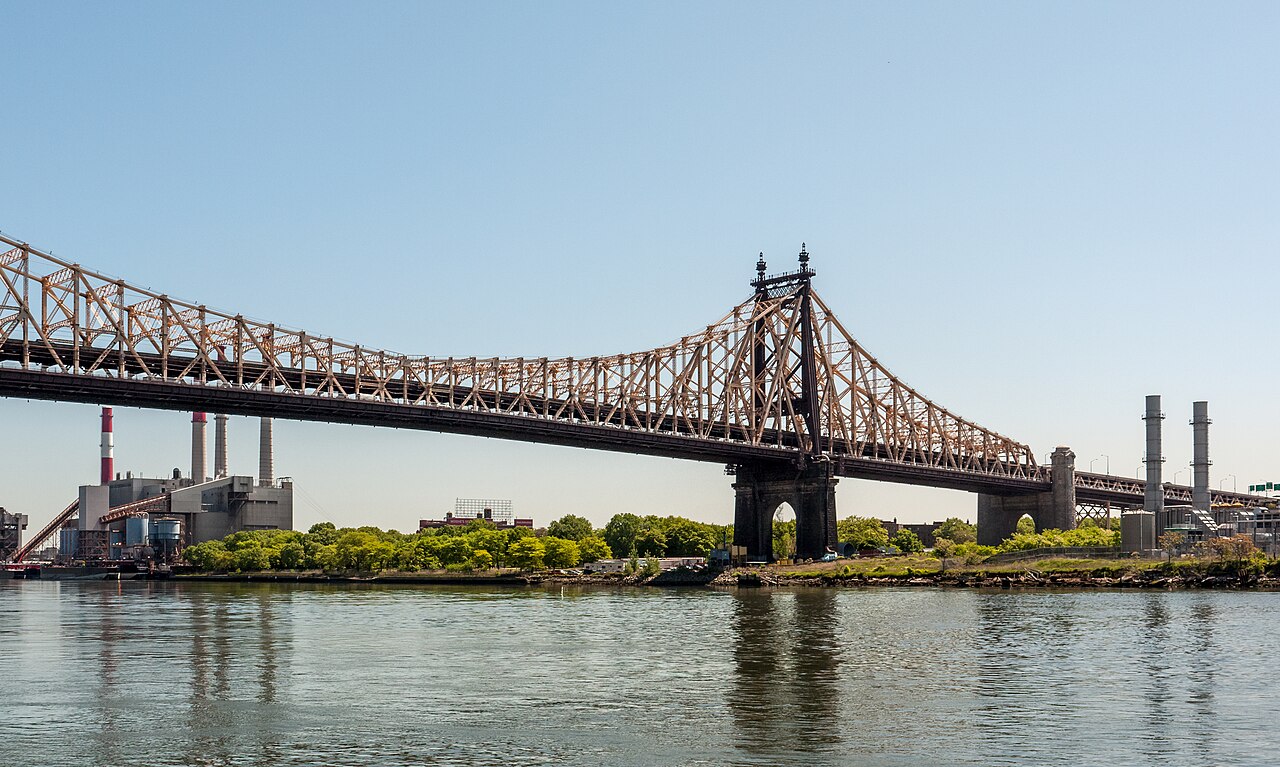
The steel giant that gave the Queensbridge Houses its name, a constant landmark for the largest housing project in North America.

Jakub Hałun · CC BY 4.0
The Queensboro Bridge is the namesake of the Queensbridge Houses, the largest housing project in North America, located just north of the bridge in Long Island City, Queens. The complex opened in 1939 and is owned by the New York City Housing Authority. The bridge's presence is a constant geographic anchor for the community, separating the development from the rest of the city and providing a namesake station on the IND 63rd Street Line. Its steel structure looms over the 96 buildings and 3,142 units that house approximately 7,000 people.
- Location
- Spanning the East River between Long Island City (Queens) and Roosevelt Island/M
- Significance
- Primary geographic landmark for the Queensbridge Houses community
- Cultural Role
- Central motif in 'NY State of Mind' and other seminal tracks defining the era
- Architectural Style
- Double-decked cantilever bridge with distinctive steel truss design
- Status
- Active transportation link and enduring cultural icon
Verified Timeline
Lore & Background
The bridge's name is directly tied to the identity of the Queensbridge Houses, which opened in 1939. The complex is located immediately south of the Queensboro Bridge, making the structure a defining feature of the neighborhood's geography. For the residents, the bridge is a daily visual presence, separating their community from the East River and the rest of New York City. The bridge's shadow falls over the complex, and its name is invoked in the music of the many influential hip hop artists who grew up there, including Nas, Mobb Deep, and the Juice Crew collective. The bridge is not just infrastructure; it is the namesake and the backdrop for a community that has produced some of the most influential musicians in the genre.
In Their Own Story
For the residents of the Queensbridge Houses, which opened three decades later in 1939, the bridge is the defining landmark. The complex is named for the bridge, and its location just north of the structure places it in a unique urban canyon. The bridge's steel trusses frame the skyline for the 7,000 residents, and its shadow dictates the light in the courtyards and playgrounds. The bridge is a constant companion, a symbol of both connection to the rest of the city and the insular world of the projects below.
Reader's Guide
The Queensbridge Houses are located between Vernon Boulevard and 21st Street, immediately south of the Ravenswood power plant and just north of the Queensboro Bridge. The complex is divided into North Houses on 40th Avenue and South Houses on 41st Avenue. The namesake subway station, Queensboro Plaza, is on the eastern side of the complex on 21st Street, serving the F and M trains. Across Vernon Boulevard lies Queensbridge Park, the primary recreation area for tenants. The bridge itself is a constant visual presence, and its name is central to the identity of the community. The area is characterized by the contrast between the industrial might of the bridge and the 96 six-story buildings of the housing project.
Did You Know?
- The Queensbridge Houses are named for the Queensboro Bridge, which is located immediately south of the complex.
- The complex opened in 1939 and is the largest housing project in North America, with 96 buildings and 3,142 units.
- During the height of the crack epidemic in 1986, Queensbridge experienced more murders than any NYCHA complex in New York City.
- Nas' 1994 album Illmatic, often regarded as the greatest hip-hop album of all time, concerns his experiences in Queensbridge.
- The buildings' distinctive Y-shape design was chosen to give residents more access to privacy and sunlight than traditional cross-shaped designs.
Architectural Design and Layout
The Queensbridge development is the largest housing project in North America, located in Long Island City, Queens. It comprises 96 six-story buildings with 3,142 units, housing approximately 7,000 people in two separate complexes: North and South. The complex opened in 1939 and is owned by the New York City Housing Authority. The buildings are distinctive due to their shape of two Y's connecting at the base, designed to give residents more access to privacy and sunlight. The architects were W.F.R. Ballard, Henry S. Churchill, Frederick G. Frost, and Burnett Turner. To keep costs down, elevators originally only stopped at the 1st, 3rd, and 5th floors, though they have since been rebuilt to stop at all floors. The buildings are a worn grayish brown with a red painted base extending about four feet up from the ground.
Demographic History and Management
Located in Queens Community District 1, the Queensbridge Houses underwent a significant demographic shift in the 1950s. Management transferred all families whose income was more than $3,000/year, a majority of whom were White, to middle-income housing projects. These tenants were replaced primarily with African-American and Latino families, providing safe and sanitary housing to many low-income families. As of 2013, the population was 6,105, with a racial breakdown of 61.4% black, 2.3% white, 1.9% Asian, 1.0% American Indian, and 2.4% multiracial. Hispanics and Latinos of any race were 30.1%. By 2020, the Asian population rose to 11%, prompting calls for better social services.
Cultural Legacy and Hip Hop
Queensbridge is well known for its contributions to hip hop and rap music. Marley Marl was the first in a long succession of acclaimed artists from 'The Bridge.' The Juice Crew collective, hugely influential in the 1980s, featured Queensbridge rappers MC Shan, Roxanne Shanté, and Craig G. Later artists like Nas and Mobb Deep made frequent references to the Queensbridge Houses that cemented its reputation as a dystopian vision of poverty, drugs, and violence during the crack cocaine epidemic. Nas' 1994 album Illmatic, often regarded as the greatest hip-hop album of all time, concerns his experiences in Queensbridge. Other notable artists include Blaq Poet, Cormega, Tragedy Khadafi, Nature, Screwball, Capone, and Big Noyd.
Living Conditions and Amenities
Original plans included a central shopping center, a nursery, and six inner courtyards for play. In the 1950s, there were three playschool rooms, a library, a community center with an auditorium, a gymnasium with a wooden floor that doubled as a roller skating rink, and a cafeteria. Activities included tap dancing, ballet, art, playing the recorder, singing, pool, knock hockey, and table tennis. Residents enjoyed concerts in the central shopping area. The complex has several basketball courts and play areas. Queensbridge Park across Vernon Boulevard is the primary recreation area. Baby Park, under the Queensboro Bridge, was closed in the late 2000s due to debris falling during maintenance. Three thousand bathrooms were renovated in 2000, following a 1986 renovation of 1,000 bathrooms.
Gallery
Frequently Asked Questions
What is the Queensboro Bridge's significance in Nas's discography?
It serves as a primary geographic landmark that grounds his storytelling in the reality of Queensbridge life. The structure frequently appears in lyrics to symbolize the connection between the gritty projects and the broader city machinery.
Where are the Queensbridge Houses situated in relation to this bridge?
The housing complex sits directly beneath the massive steel span that crosses the East River toward Manhattan. This physical proximity ensures the bridge looms over daily neighborhood activities like basketball and street corners.
Does Nas portray the Queensboro Bridge as a living character with powers?
No, the bridge is depicted as an inanimate witness rather than a sentient being with supernatural abilities. Its power lies solely in its symbolic weight representing struggle, triumph, and urban endurance within his narratives.
Which famous track prominently features imagery of this location?
The song NY State of Mind heavily utilizes the bridge as a backdrop to set the tone for the album Illmatic. It establishes the setting before detailing the specific dangers and rhythms of the housing projects below.
How has the Queensboro Bridge functioned historically for the residents?
Beyond transportation, it acts as a constant shadow cast over the community that marks time through its shifting silhouette. It remains an enduring cultural icon linking the local struggle to the wider economic engine of New York City.
More in Queensbridge Projects & NYC Roots
Elsewhere in the Nas universe
Spotted an error? Know more?
This is a living reference — every entry is fact-audited, and reader corrections feed straight into our audit queue. Suggest an edit · See this site's audit record