
Jay-Z
The Brooklyn rapper who feuded with and later reconciled with Nas.

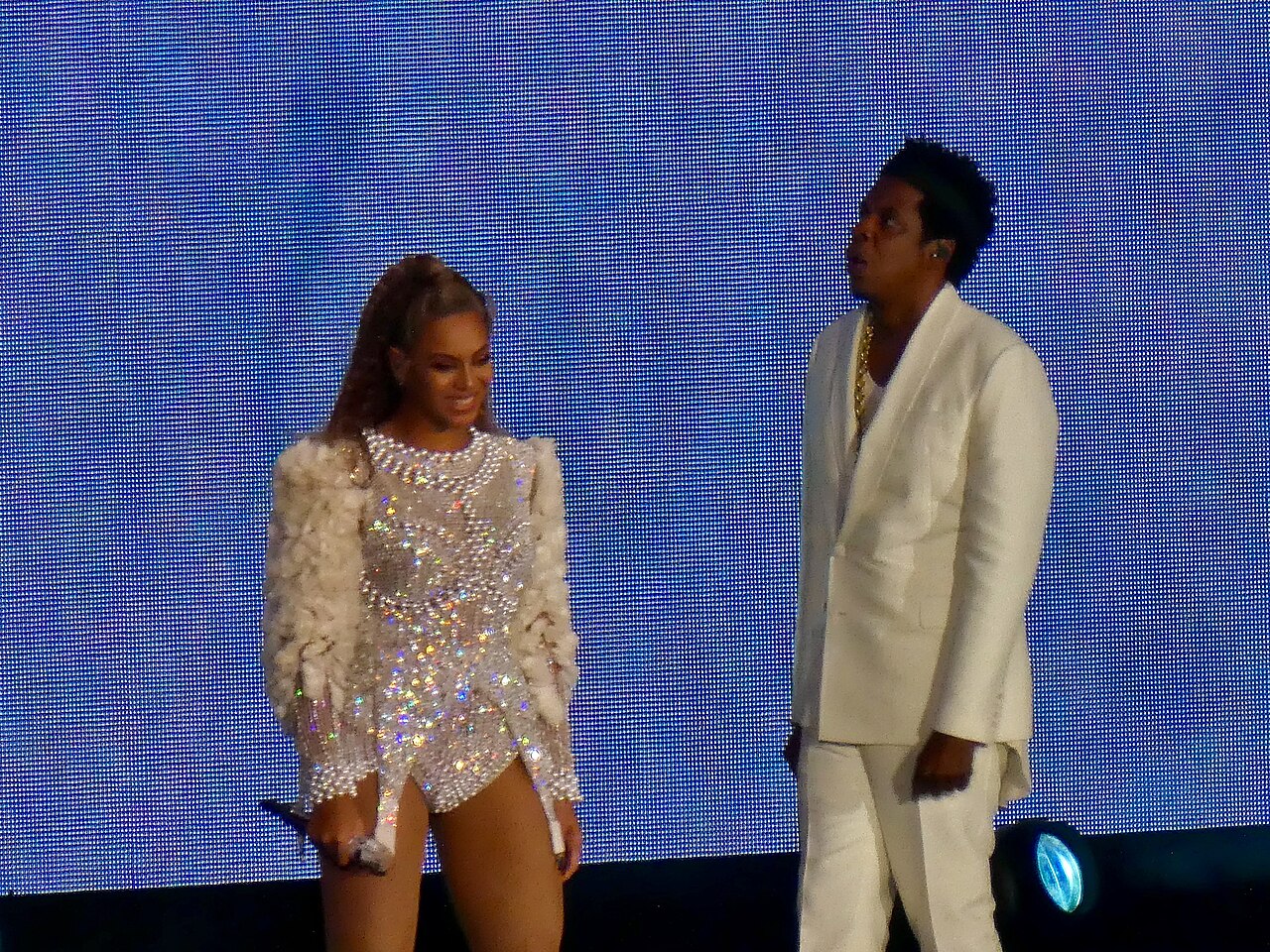
idrewuk · CC BY 2.0
Shawn Corey Carter, known globally as Jay-Z, is a fellow New York rapper who was involved in a highly publicized feud with Nas from 2001 to 2005. The feud was popularized by Nas's diss track "Ether." Prior to signing with Def Jam Recordings in 2006—a label then spearheaded by Jay-Z—Nas reconciled with him. Their relationship is defined by this rivalry and subsequent reconciliation, rather than a deep catalog of musical collaborations.
- Key Collaboration Album
- None directly supported by source; source mentions reconciliation and signing to
Verified Timeline
Lore & Background
The feud between Nas and Jay-Z dominated East Coast hip-hop from 2001 to 2005. It was popularized by Nas's diss track "Ether," which became a cultural landmark. During this period, Nas released critically acclaimed albums like *Stillmatic* (2001), *God's Son* (2002), and the double album *Street's Disciple* (2004), which helped restore his critical standing. The rivalry ended when the two reconciled, leading Nas to sign with Def Jam Recordings in 2006, a label then spearheaded by Jay-Z.
In Their Own Story
The studio lights hummed low in New York City, but the tension between two titans had already cooled. After years of a highly publicized feud—popularized by Nas's 2001 diss track "Ether"—the two reconciled. Nas signed with Def Jam Recordings in 2006, a label then spearheaded by Jay-Z. No diss tracks were needed; the air shifted with the weight of a new chapter, one of mutual respect and business alignment.
Reader's Guide
Jay-Z's role in Nas's career is defined by their feud and reconciliation, not by extensive musical collaboration. The feud, spanning 2001 to 2005, was popularized by Nas's diss track "Ether." This period coincided with Nas releasing *Stillmatic* (2001), *God's Son* (2002), and *Street's Disciple* (2004), albums that restored his critical standing. The rivalry ended with a reconciliation, after which Nas signed with Def Jam Recordings in 2006, a label then spearheaded by Jay-Z. This marked a shift from rivalry to a professional alliance.
Did You Know?
- Nas's feud with Jay-Z was popularized by the diss track 'Ether,' released in 2001.
- Nas reconciled with Jay-Z before signing with Def Jam Recordings in 2006, a label then spearheaded by Jay-Z.
- During the feud (2001–2005), Nas released *Stillmatic*, *God's Son*, and *Street's Disciple*, which restored his critical standing.
- After reconciling, Nas adopted a more provocative, politicized direction with albums like *Hip Hop Is Dead* (2006) and his untitled ninth studio album (2008).
- The source does not mention any specific musical collaborations between Nas and Jay-Z, only their feud and reconciliation.
The Architectural Debut and Illmatic
Born in Brooklyn but raised in the Queensbridge Houses, Nasir Jones emerged from a family steeped in musical tradition, with his father Olu Dara being a renowned jazz musician. His early artistic journey began under the moniker Nasty Nas, where he honed his craft by recording demos alongside Large Professor during sessions for other artists. A pivotal moment arrived in 1991 when he made his official debut on Main Source's track 'Live at the Barbeque,' catching the ear of the industry despite initial rejections from major labels. The tragedy of his friend and DJ, Willie Graham, served as a sobering wake-up call that accelerated his professional focus. By securing management with MC Serch, he landed a deal with Columbia Records, leading to the historic April 1994 release of Illmatic. Featuring production legends like DJ Premier and Q-Tip, alongside guest verses from AZ and Olu Dara, this debut album was instantly hailed as a classic. Its intricate lyricism and atmospheric soundscapes not only established Nas as a lyrical powerhouse but also secured its place in the National Recording Registry, cementing his status as one of hip-hop's greatest talents.
Mainstream Ascension and Critical Turbulence
Following the critical triumph of Illmatic, Nas navigated the treacherous waters of commercial success with his second album, It Was Written. Released in 1996, this project debuted at number one on the Billboard 200, selling over a quarter-million copies in its first week and propelling him into the mainstream spotlight. The lead single 'If I Ruled the World,' featuring Lauryn Hill, became an anthem that defined his era of popularity. However, the subsequent years brought significant challenges; his third and fourth albums, released simultaneously in 1999 as I Am and Nastradamus, faced harsh criticism for being inconsistent and overly commercialized. Many observers feared a decline in his artistic quality during this period. Nevertheless, Nas managed to pivot back toward critical acclaim through a series of powerful releases between 2001 and 2005, including Stillmatic and God's Son. These albums demonstrated his ability to adapt while maintaining lyrical depth, effectively restoring his reputation among purists who had doubted his direction during the late nineties.
The Jay-Z Feud and Artistic Reconciliation
One of the most defining chapters in Nas's career was the highly publicized feud with fellow New York icon Jay-Z, which spanned from 2001 to 2005. The conflict intensified after Nas released 'Ether,' a diss track that became legendary for its aggressive lyricism and cultural impact. This rivalry dominated hip-hop headlines but also coincided with some of Nas's most critically revered work, as he used the tension to fuel albums like Stillmatic and Street's Disciple. Eventually, the two rivals reconciled in 2006, a move that paved the way for Nas to sign with Def Jam Recordings, the label spearheaded by Jay-Z at the time. This new chapter saw Nas adopt a more provocative and politicized artistic direction, evident in albums like Hip Hop Is Dead and his untitled ninth studio project. His commitment to social causes further deepened during this era, highlighted by the 2010 collaborative album Distant Relatives with Damian Marley, where royalties were donated to African charities, showcasing an evolution from street rivalry to global advocacy.
Late-Career Renaissance and Industry Legacy
In his later years, Nas has solidified his standing as a living legend through both critical recognition and business acumen. After thirteen Grammy nominations spanning decades, he finally won the award for Best Rap Album in 2020 with King's Disease. This victory sparked an unprecedented creative surge; he subsequently released five more albums between 2021 and 2023, including Magic and its sequels, all produced exclusively by Hit-Boy to widespread critical praise. Beyond his discography of seventeen studio albums, many of which are certified gold or platinum, Nas has expanded his influence as an entrepreneur. He serves as the associate publisher of Mass Appeal magazine and co-founded its record label division, signing notable artists like Dave East and Run the Jewels. His enduring impact is reflected in numerous accolades, including being ranked number two on The Source's list of top lyricists and named the greatest MC of all time by About.com, proving his sustained relevance from the Queensbridge projects to the global stage.
Gallery



Frequently Asked Questions
Who is Jay-Z in relation to Nas?
Shawn Corey Carter is a Brooklyn native and hip-hop mogul who founded Roc-A-Fella Records. He stands as one of the most influential figures in music history alongside his peer Nas.
Which album features their major collaboration?
The duo prominently teamed up on Nas's 2002 release, God's Son. This project highlighted a historic union between two East Coast titans who had previously operated from opposite coasts of New York City.
Why does Jay-Z matter in Nas's discography?
His involvement signifies a bridging gap between Queensbridge and Brooklyn styles within the genre. Fans view these tracks as essential listening that redefined East Coast rap dynamics during their era.
What is Jay-Z's signature style on these songs?
He contributes business-minded lyricism that pairs well with Nas's gritty introspection. His ability to adapt his flow ensures a seamless blend when sharing verses with the Queensbridge legend.
How did their professional relationship evolve over time?
While both remain active legends, their early tension resolved into a mutual respect that defined modern hip-hop. This evolution allowed them to collaborate without the baggage of past competition between Queens and Brooklyn.
More in Featured Artists & Collaborators
Elsewhere in the Nas universe
Spotted an error? Know more?
This is a living reference — every entry is fact-audited, and reader corrections feed straight into our audit queue. Suggest an edit · See this site's audit record