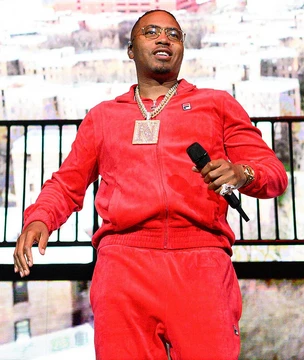
It Was Written
A polished, mafioso-themed sophomore album that brought Nas mainstream success and remains his best-selling work.

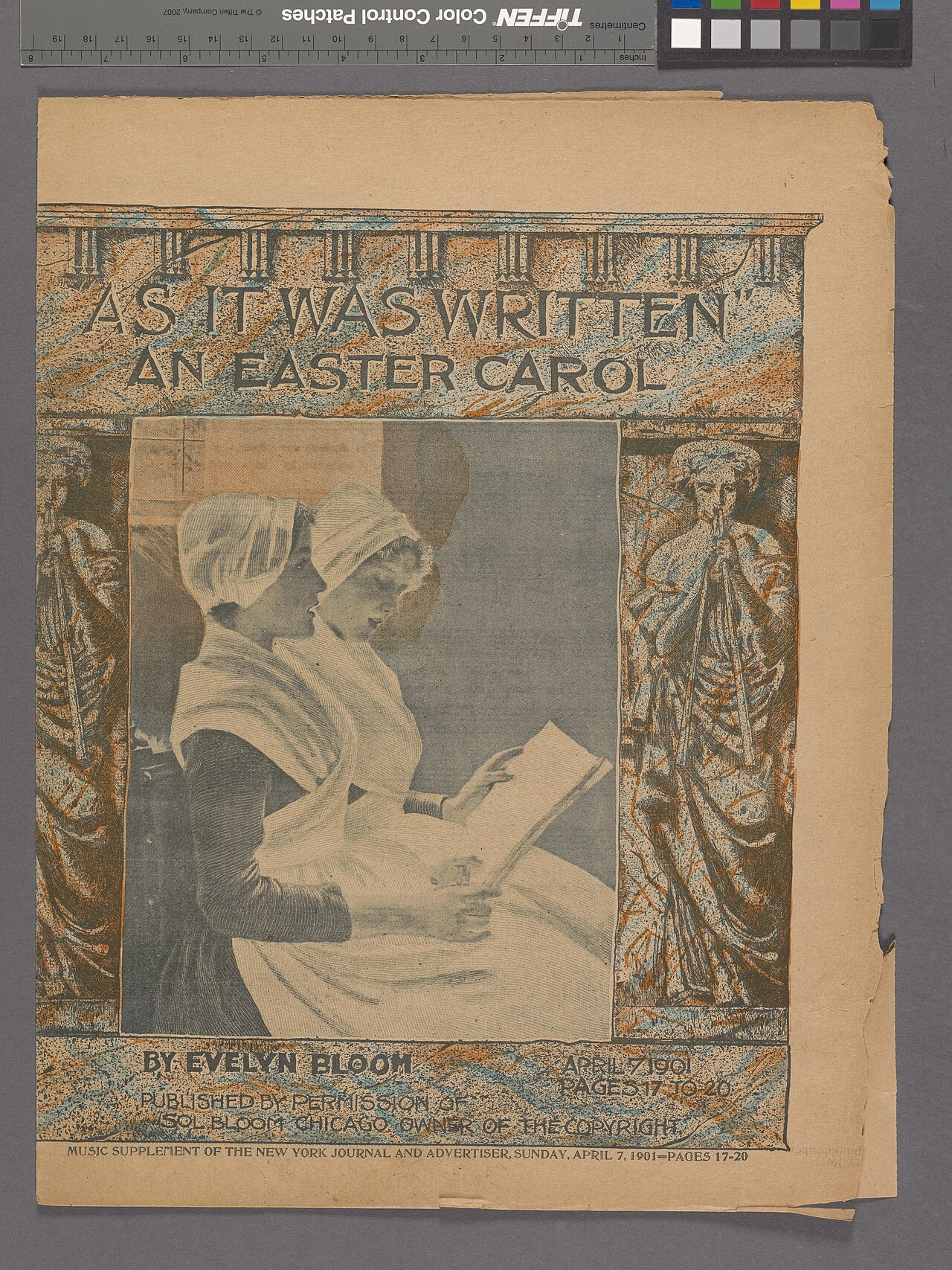
Scan by NYPL · Public domain
Released on July 2, 1996, by Columbia Records, *It Was Written* is the second studio album by American rapper Nas. After the modest commercial success of his debut *Illmatic* (1994), Nas pursued a more polished, mainstream sound for this album. Produced largely by Trackmasters, it departed from the raw, underground aesthetic of his debut and embraced mafioso and gangsta themes. The album was a commercial success, selling 270,000 copies in its first week and debuting at number one on the US Billboard 200 chart, while receiving mostly positive reviews. It remains Nas's best-selling album, with at least 3 million copies sold and an estimated 4-5 million total worldwide sales, and has been certified triple platinum.
- Artist
- Nas
- Release Year
- 1996
- Label
- Columbia Records
- Genre
- Hip Hop
- Producer Highlights
- Trackmasters
Verified Timeline
Lore & Background
Following the critical acclaim of *Illmatic* (1994), Nas concentrated his efforts in a more mainstream direction, in contrast to his debut's raw, unpolished, and underground tone. *Illmatic* did not experience the larger sales of major hip hop releases like Snoop Dogg's *Doggystyle* (1993), partly due to Nas's shy personality and lack of involvement in promoting the record. Nas began making appearances on other artists' work, including Kool G Rap's "Fast Life" on *4, 5, 6* (1995) and Raekwon's "Verbal Intercourse" on *Only Built 4 Cuban Linx...* (1995), making him the first non-Wu-Tang Clan member to appear on one of its solo recordings. He began dubbing himself Nas Escobar on these guest appearances. Meanwhile, his excessive spending habits left him with little money, forcing him to ask for a loan to purchase clothes for the 1995 Source Awards. The success of fellow East Coast act The Notorious B.I.G. and promoter Puff Daddy at that awards show sent a message to Nas to change his commercial approach, resulting in his hiring of Steve "The Commissioner" Stoute as manager. Stoute convinced Nas to aim for a more mainstream, commercial direction for his second album, after which Nas enlisted the production team Trackmasters, known for their mainstream success. Other producers included DJ Premier, Dr. Dre, Havoc of Mobb Deep, L.E.S., Live Squad, and MC Serch as executive producer. The album was mastered by Tom Coyne at Sterling Sound in New York City, with cover art by Aimée Macauley and photos by Danny Clinch.
In Their Own Story
In contrast to *Illmatic*, *It Was Written* contains a more detailed and elaborate production, relying heavily on sampled and looped funk grooves and sharing similarity to the G-funk sound. Nas experimented with a theatrical mafioso concept under the alias "Nas Escobar," inspired by Colombian drug lord Pablo Escobar. The album's subject matter focuses on materialistic excess and mafioso lyrical themes. Jon Pareles of *The New York Times* wrote that Nas "repeatedly cites the Colombian drug kingpin Pablo Escobar and drops brand names of clothes, cars, liquor and guns." The album opens with "Album Intro," featuring a slave rebellion and samples of Sam Cooke's "A Change Is Gonna Come" (1964) and The Lost Generation's "The Sly, the Slick, and the Wicked" (1970). "The Message" features production by Trackmasters and scratching from Kid Capri, and was described by one critic as a "bloody narrative" and "one of the most visually evocative songs of Nas's career." DJ Premier produced the jazz fusion-styled "I Gave You Power," a first-person narrative from the perspective of a gun, accompanied by falling piano notes and stuttering drums. The single "If I Ruled the World" features guest vocals from Lauryn Hill, with Nas "rapping his way to anarchy in an imagined world where he kicks discipline to the curb and good times rule," according to music critic J.R. Reynolds. "Street Dreams" is an account of the impact of drugs in Nas's neighborhood, featuring an interpolation of the Eurythmics' "Sweet Dreams (Are Made of This)" (1983). Guest appearances include Mobb Deep and The Firm, a supergroup initially composed of Nas, AZ, Cormega, and Foxy Brown, who appear on "Affirmative Action," a tale of robbery and three characters with mob connections. Brett Berliner of *Stylus Magazine* described the beat as "extremely mafioso, sounding straight out of *Goodfellas*, with strings and crescendos," calling it "one of the best posse tracks of all time." Havoc produced "The Set Up," a story about revenge, and "Live Nigga Rap," a freestyle with hard, gloomy percussion. "Black Girl Lost" is a sympathetic account of the struggle of African-American women, featuring vocals by Joel "Jo-Jo" Hailey of Jodeci, with its title coming from the book by pulp writer Donald Goines. "Nas Is Coming" is a collaboration with Dr. Dre, described by one writer as "more of a gangsta, mainstream tune than anything Nas has ever recorded," featuring a skit where Nas and Dr. Dre discuss the East Coast–West Coast rivalry.
Reader's Guide
The album was generally well-received by critics. Marc Landas of *The Source* called it an "audio anthology of ghetto stories told by one of hip-hop's most prolific writers." Kris Ex of *Vibe* criticized its "consistently aggressive attempts at pop music" but wrote that Nas "shines through," though he concluded the album "isn't nearly as satisfying as his first one." Andy Crysell of *NME* wrote that "Nas's neat, considered lyrics treat the violence that surrounds him with a mixture of remorse, resignation and ebullience." Christopher John Farley of *Time* stated "The lyrics in *It Was Written* could be sharper, but the music, energetic and engaging on many tracks, helps drive his message home." *Q* magazine called Nas's performance "angry, lean and full of drive." Cheo Hodari Coker of the *Los Angeles Times* called the album "poetic," writing that it "demonstrates a continuing lyrical maturity." *Spin* magazine preferred the "reach" of *It Was Written* to Nas's "more suavely rapped debut," praising the production and describing the choruses as "grainy, pop-savvy." The album's release followed the commercial success of other mafioso-themed rap albums like Raekwon's *Only Built 4 Cuban Linx...* (1995), Jay-Z's *Reasonable Doubt* (1996), and AZ's *Doe or Die* (1995). Some critics dismissed its mainstream, R&B, and pop-leaning sound, as well as the enlistment of top production and popular guest artists. Rolling Stone's Mark Coleman wrote negatively of Nas's themes, calling it "the latest blatant example of trashy tough-guy talk" and questioning Nas's citing of both boxing coach Cus D'Amato and Pablo Escobar as inspirations. Jon Pareles of *The New York Times* commented that Nas "continually shifts perspective" and called it "late-stage gangsta rap, starting to buckle under its own contradictions." Robert Christgau of *The Village Voice* gave the album a "neither" rating. The album was ranked number 41 in *NME*'s critics' poll of 1996, and Jim Farber of the *New York Daily News* named it the sixth best album of 1996. *Spex* ranked it number four on its "End of Year" list, while *The Face* named it the twenty-fourth best album of 1996. "If I Ruled the World (Imagine That)" was ranked number 29 on *NME*'s Singles of the Year list and number 20 on *The Village Voice*'s Pazz & Jop list.
Did You Know?
- The album sold 270,000 copies in its first week and debuted at number one on the US Billboard 200 chart.
- Nas adopted the alias 'Nas Escobar' for this album, inspired by Colombian drug lord Pablo Escobar.
- The song 'I Gave You Power' is a first-person narrative from the perspective of a gun, produced by DJ Premier.
- Nas was the first non-Wu-Tang Clan member to appear on a solo Wu-Tang recording, on Raekwon's 'Verbal Intercourse'.
- The album's cover art was designed by Aimée Macauley, with photos by Danny Clinch.
Gallery
Frequently Asked Questions
When was It Was Written released?
This record arrived in 1996 as Nas's second studio project, launching during the peak of East Coast hip-hop dominance.
Which producers worked on It Was Written?
Industry legends Large Professor, DJ Premier, and Q-Tip contributed to the lush, cinematic soundscape found throughout the record.
How does the sound compare to Illmatic?
The sonic palette shifts from the gritty boom-bap of his debut toward a polished style featuring prominent jazz and soul influences.
Why is It Was Written considered important?
The album defied expectations for a second release by evolving Nas's narrative style, proving his growth beyond his initial debut.
What label released It Was Written?
Columbia Records published this hip-hop classic, cementing its place in history as a mature evolution of Nas's artistic vision.
More in Albums & Discography
Elsewhere in the Nas universe
Spotted an error? Know more?
This is a living reference — every entry is fact-audited, and reader corrections feed straight into our audit queue. Suggest an edit · See this site's audit record